How to Stay Calm During a Dental Emergency in Plano TX
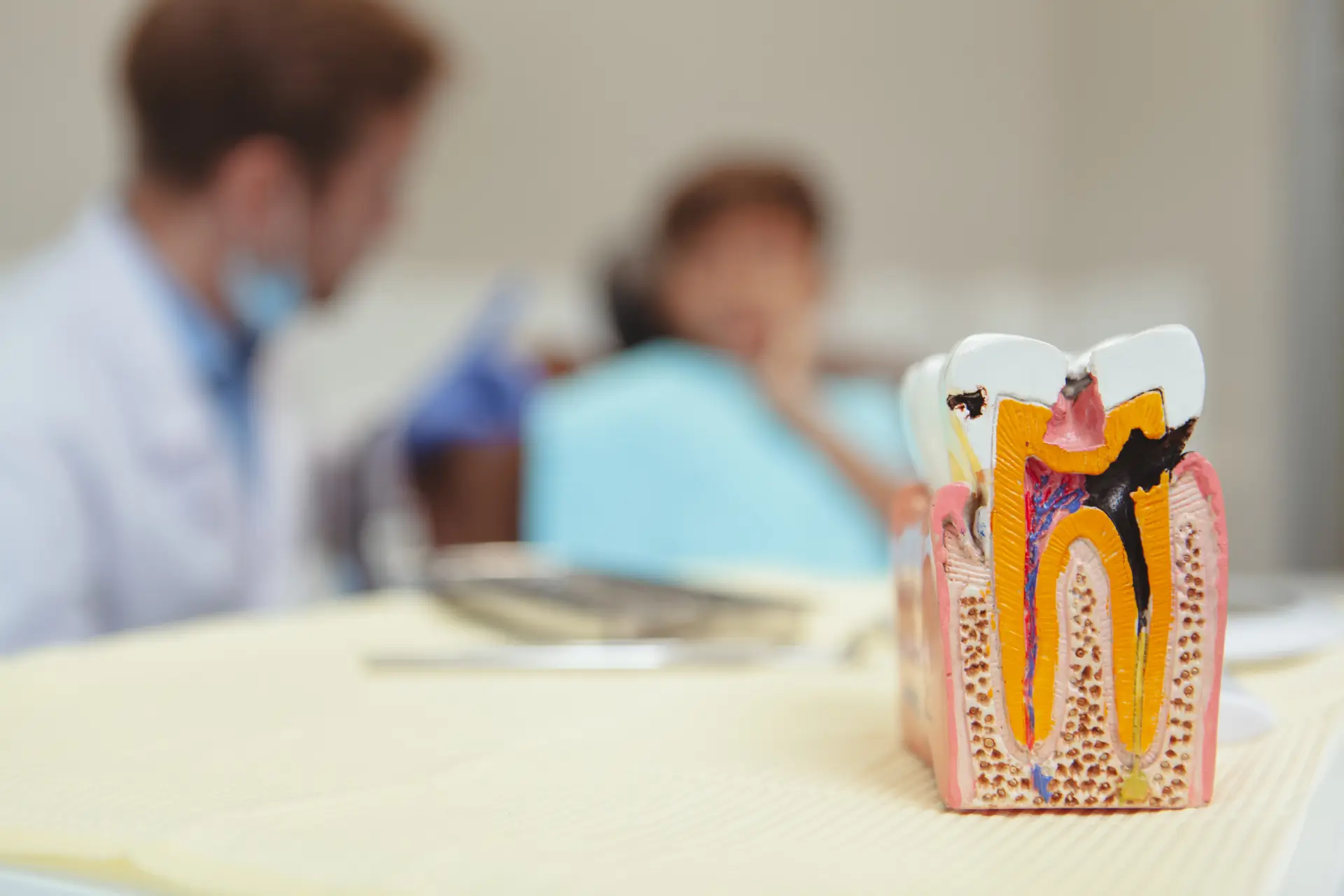
A dental emergency has a way of shrinking your world down to one sharp point of pain. A cracked molar at dinner, a child who falls at the playground and chips a front tooth, a crown that comes loose on a Friday evening, sudden swelling that seems to come out of nowhere, any of these can turn an ordinary day into a tense one very quickly. The stress is real, and so is the urge to panic.
Panic, though, rarely helps. In my experience, the people who manage these moments best are not the ones who know every dental term. They are the ones who slow down enough to make good decisions. During an emergency, the first job is not to diagnose every detail. The first job is to steady yourself, protect the injured area, and get the right care without losing time.
If you are dealing with a Dental Emergency Plano TX situation, the steps you take in the first 10 to 30 minutes can make a real difference in pain control, treatment options, and long-term outcome. That is especially true for injuries involving knocked-out teeth, heavy bleeding, or facial swelling. It also matters when the problem seems less dramatic, because a minor crack or lost filling can become a bigger problem overnight.
Why calm matters more than people think
When pain spikes, the body reacts fast. Heart rate rises. Breathing gets shallow. Thoughts jump ahead to worst-case scenarios. People often talk too quickly, miss important details, or delay calling because they hope the problem will settle down on its own. I have seen patients wait through a weekend with a fractured tooth, only to arrive Monday with a deeper crack, an infected nerve, and fewer treatment choices.
Calm does not mean pretending it is not serious. It means creating enough mental space to ask the right questions. Is there bleeding that is not stopping? Is a permanent tooth completely out of the mouth? Is swelling making it hard to swallow or breathe? Is the pain manageable with simple measures, or is it escalating? Those details shape what should happen next.
There is also a practical side to staying calm. Dental offices can often help quickly, but they need clear information. A patient who can explain when the injury happened, where the pain is, whether there is swelling, and whether a tooth is loose gives the team a stronger starting point. That often speeds up triage and gets the patient into the right appointment slot faster.
Knowing what counts as a true dental emergency
Not every tooth problem is an emergency, but many are urgent. The difference matters because it helps you choose the right level of response.
A true dental emergency usually involves uncontrolled bleeding, severe infection, trauma to the face or teeth, a knocked-out permanent tooth, or swelling that is spreading. These need same-day attention, and some need medical help immediately if breathing or swallowing is affected.
An urgent dental problem may include a painful toothache, a cracked tooth without major bleeding, a broken filling, a lost crown, or a gum abscess that has started to swell. These still deserve prompt care. They may not require a 911 call, but they should not be ignored.
A minor issue might be mild sensitivity, a small chip with no pain, or a loose appliance that is irritating but not dangerous. Even then, it is wise to call your dentist for guidance, because what feels minor at 8 a.m. Can feel very different by bedtime.
What trips people up is that pain level alone is not always a reliable guide. Some serious infections begin with pressure, tenderness, or a bad taste in the mouth rather than dramatic pain. On the other hand, a very painful cold-sensitive tooth may not be life-threatening but still needs prompt treatment. Judgment matters.
The first few minutes: what to do before anything else
The opening moments are when people either regain control or start spiraling. A simple routine helps.
- Stop what you are doing and take three slow breaths, in through your nose and out through your mouth.
- Look for the immediate problem: bleeding, swelling, a broken tooth, a missing tooth, or jaw injury.
- Rinse gently with clean, lukewarm water if there is blood, debris, or a bad taste.
- Call a dentist right away and explain the problem in one or two clear sentences.
- If there is trouble breathing, trouble swallowing, or severe facial trauma, seek emergency medical care immediately.
That first breath matters more than it sounds. It changes the tempo of the whole event. I have watched adults become much more effective after pausing for ten seconds. They stop searching the internet, stop assuming the worst, and start doing the useful things.
How to think clearly when pain is high
Pain narrows attention. That is normal. If you are the person in pain, try to hand one task to someone else. Ask them to make the call, find your insurance card, or drive. If you are helping a child, keep your words short and steady. Children usually take emotional cues from the adults around them. If your voice is sharp or panicked, theirs often follows.
It also helps to use a mental checklist in sentence form. First, am I safe? Second, can I control bleeding and protect the tooth or gums? Third, who do I need to call? That simple order prevents people from getting stuck on details that can wait.
Another good tactic is to describe facts rather than fears. Instead of saying, “My whole mouth is ruined,” say, “My upper right tooth cracked, it hurts when I bite, and the gum looks puffy.” That kind of language keeps the mind grounded and gives the dental team information they can use.
What to do for common dental emergencies
Different problems call for different first-aid measures. The goal is not to perform home dentistry. The goal is to preserve tissue, reduce contamination, and avoid making the injury worse.
A knocked-out permanent tooth is one of the few situations where speed has a direct effect on whether a tooth can be saved. Pick the tooth up by the crown, not the root. If it is dirty, rinse it briefly with clean water. Do not scrub it. If you can place it back in the socket easily and gently, that may help preserve the best chance for reattachment. If not, keep it moist in milk or a tooth-preservation solution if available, and call for immediate care. A baby tooth is different. Do not try to reinsert it, because that can damage the developing permanent tooth underneath.
A chipped or broken tooth should be rinsed gently. If you can find the fragment, keep it and bring it with you. A cold compress on the outside of the face can reduce swelling. If the break leaves a sharp edge, cover it temporarily with dental wax if you have it, or avoid chewing on that side. Some chips are cosmetic. Others expose dentin or nerve tissue. The appearance alone does not always tell the whole story.
A severe toothache can come from decay, a cracked tooth, gum infection, grinding, or food packed between teeth. Rinsing with warm salt water sometimes helps, and careful flossing may remove trapped debris. Do not place aspirin on the gum. People still do this, and it can burn the tissue without solving the underlying problem. Over-the-counter pain relievers may help, depending on your medical history and label directions, but they are a bridge, not a cure.
A lost crown or filling usually feels less dramatic than trauma, but it still matters. The exposed tooth can become sensitive, and if you keep chewing on it, the remaining tooth structure may fracture. Keep the crown if you have it. A temporary dental cement from a pharmacy may help in some cases, but only as a very short-term measure and only if the area is clean and not badly damaged.
Swelling deserves respect. Mild swelling around one tooth can point to an abscess or active infection. If swelling is spreading into the cheek, under the jaw, or toward the eye, or if it is paired with fever, fatigue, or trouble opening the mouth, the level of concern rises quickly. Infection in the mouth is not something to “watch for a few days” when symptoms are moving.
The specific moments when you should skip waiting
People often hesitate because they do not want to overreact. Fair enough. Still, there are clear situations where delay is the bigger mistake.
If swelling affects breathing or swallowing, go for emergency medical care. If bleeding continues despite steady pressure, that needs prompt evaluation. If there has been a blow to the face and you suspect a jaw fracture, or you cannot close your teeth together normally, that is not a routine office issue. If a permanent tooth has been knocked out, every minute matters. If pain is intense and constant, especially with facial swelling or fever, same-day care is wise.
One of the trickiest scenarios is late-night pain that pulses and keeps a person awake. Many people think they should wait until morning because “it is probably just a cavity.” Sometimes it is. Sometimes it is a tooth with an inflamed or infected nerve, or an abscess starting to build pressure. If the pain is escalating instead of settling, call.
Staying calm while you wait to be seen
Even in efficient offices, there may be some wait. Emergencies have to be triaged, and the schedule may be shifting in real time. That waiting window can stir anxiety all over again.
The practical approach is simple. Sit upright if swelling is involved. Use a cold compress outside the mouth for trauma or swelling, usually in short intervals. Avoid very hot, very cold, or very sugary foods if the tooth is exposed or aching. Stick to soft foods, or skip eating until you are seen if chewing increases pain. Keep talking minimal if jaw movement hurts.
What you should not do is just as important. Do not probe a broken tooth with a toothbrush or toothpick. Do not keep testing whether it hurts by biting on it again and again. Do not use glue, household adhesive, or internet “hacks” to stick dental work back in place. The mouth is not forgiving when bad materials are introduced into injured tissues.
This is also the moment to gather useful information. Note the time the injury happened. Take a quick phone photo if the tooth, gum, or face looks different than usual. Bring any broken pieces, the lost crown, or the knocked-out tooth if one is involved. These small details can make the visit more efficient.
What a dental office in Plano will want to know
When you call about a Dental Emergency Plano TX issue, the person answering or the clinical team will likely ask a series of focused questions. They are not stalling. They are sorting urgency and preparing the right response.
Expect questions about where the pain is, how long it has been going on, whether there is swelling, whether there was trauma, whether a tooth is loose or out, whether you have fever, and whether you can open your mouth normally. You may also be asked about medications, allergies, blood thinners, or health conditions such as diabetes, which can affect healing and infection risk.
A clear description saves time. “I broke my lower left back tooth on lunch, the pain is sharp when I bite, no swelling, no bleeding, and I still have the piece” is much more useful than “My tooth is bad.” It may feel obvious in the moment, but that kind of detail often determines whether the office brings you in immediately, adjusts your comfort advice, or directs you to medical care.
Plano-specific realities that can affect your response
Plano is a busy, spread-out city, and that affects emergency decisions more than people realize. Traffic patterns can turn a short map distance into a much longer trip, especially during school pickup, rush hour, or stormy weather. If a knocked-out tooth is involved, that timing matters. It is worth calling first, getting direct instructions, and leaving promptly rather than delaying while you debate whether the problem can wait.
Families in Plano also tend to juggle full schedules. Sports injuries, school accidents, and workplace mishaps are common ways dental emergencies happen here, simply because people are active and moving. I have seen plenty of weekend basketball and soccer injuries become Monday morning dental crises. Mouthguards do not prevent every injury, but they reduce many of them, especially for children and teens in contact or ball sports.
Weather can play a small role too. North Texas heat does not cause dental emergencies by itself, but dehydration can make stress feel worse and may contribute to headaches and jaw clenching. During winter cold snaps, people often notice previously sensitive teeth more sharply. Neither changes the basic protocol, but both can make symptoms feel more intense.
Helping a child stay calm changes the outcome
Parents often feel more distressed than the child, especially when blood is involved. Mouth injuries can look dramatic because even small cuts bleed a lot. That visual can trigger panic fast.
Children do better when the adult keeps language steady and simple. “You hurt your tooth. We’re going to rinse, use a cold cloth, and let the dentist help us.” That works better than a stream of nervous reassurances or visible alarm. If a child has chipped or knocked a tooth, check the lips and gums too. Sometimes the tooth injury is obvious, but a cut or embedded fragment in the lip also needs attention.
If it is a permanent tooth that has https://wakelet.com/@vitalitydental1 come out, treat it as time-sensitive. If it is a baby tooth, the strategy changes, which is one reason calling quickly matters. With children, it also helps to bring a favorite item, keep them sitting upright, and avoid promising that “nothing will happen.” It is better to promise what you can control, that you will stay with them, that the dentist will check the tooth, and that they do not have to figure it out alone.
The emotional side nobody talks about enough
A dental emergency often hits more than the mouth. People worry about appearance, cost, lost work time, school schedules, and whether they somehow caused the problem. There can be embarrassment too, especially if the emergency followed postponed treatment on an older issue. Shame is not useful in those moments.
What matters is the next good decision. Call. Get seen. Ask direct questions. What happened to the tooth structure? Is the nerve involved? Is there infection? What are the treatment options today, and what might need follow-up? Good emergency care is partly about immediate relief, but it is also about building a realistic plan for the next few days and weeks.
I often tell people that a calm, accurate account of what happened is more helpful than apologizing for waiting or worrying about whether the problem seems “serious enough.” Dental teams see the whole range, from minor chips to severe abscesses. Their job is to sort it out, not judge you for how it began.
What to keep ready before an emergency happens
Preparation is not glamorous, but it reduces chaos. Most households benefit from a few dental basics stored in one easy-to-find place.
- Your dentist’s phone number and address, plus the nearest after-hours contact if available.
- Clean gauze, a small container with a lid, and dental wax or temporary dental cement.
- A cold pack and a bottle of saline or clean water for rinsing.
- A current medication list, allergy list, and insurance information.
- A sports mouthguard for anyone in the family who plays contact or ball sports regularly.
That small kit will not solve the emergency, but it often turns a frantic scramble into a controlled response. I have known families who found a knocked-out tooth quickly but then wasted valuable time searching for a container or trying to remember which office to call. Preparedness buys clarity.
After the emergency visit, the calm still matters
The appointment itself is only part of the story. Once the immediate pain is controlled or the injury is stabilized, patients often relax so much that they forget instructions. That is understandable, but it is where avoidable setbacks happen.
If you are given a temporary restoration, soft diet instructions, antibiotics, a follow-up appointment, or guidance about watching swelling, take those details seriously. Temporary fixes are exactly that, temporary. A tooth that feels better after drainage or medication still may need a root canal, crown, extraction, or further evaluation. A reimplanted tooth may require close monitoring. A cracked tooth may behave one way at first and another way later if the crack extends.
Write down the key instructions before you leave if possible. If someone is with you, ask them to listen too. The combination of stress and pain relief can make memory unreliable. I have seen people forget half the conversation the minute they get back in the car.
The bottom line in a high-stress moment
A dental emergency can feel chaotic, but the response does not have to be. Slow your breathing, identify the immediate issue, protect the injured area, and call for help without delay. If there is major swelling, breathing trouble, uncontrolled bleeding, or serious facial trauma, treat it as a medical emergency. If it is a tooth injury, severe pain, or sudden infection, seek same-day dental care.
For anyone facing a Dental Emergency Plano TX concern, calm is not just a personality trait. It is a skill, and it can be practiced. The calmer you are, the more likely you are to make choices that protect the tooth, reduce pain, and get you to the right care quickly. That is what matters most when minutes feel long and the situation feels bigger than it is.
Vitality Dental
Address: 1220 Coit Rd #106, Plano, TX 75075
Phone number: +19726454100
FAQ About Dental Emergency Plano TX
What can the ER do for a tooth?
An emergency room (ER) can manage pain and treat severe infections with medication, but it cannot fix or pull a tooth.
What is considered a dental emergency?
A dental emergency is any oral health problem that involves severe pain, uncontrollable bleeding, or an infection that threatens your health or requires immediate care to save a tooth.
Is there a 24-hour dental service in Plano, TX?
There is no physical dental clinic in Plano, Texas, that stays open with walk-in staff 24 hours a day, but several offices offer 24/7 phone support, late-night hours, or same-day emergency care.