Invisalign for Gap Teeth: A Clear Solution
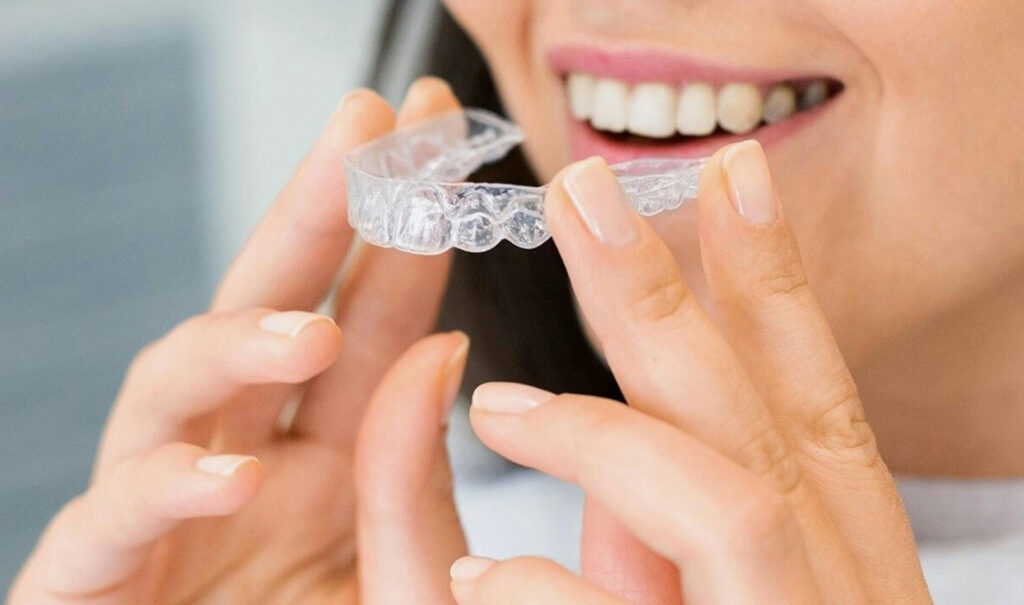
A gap between the teeth can be a small cosmetic detail or a source of daily frustration, depending on its size, location, and cause. Some people barely notice theirs until a photo catches the light a certain way. Others feel it every time they smile, whistle, bite into a sandwich, or hear air pass through the front teeth while speaking. The most common gap people talk about is the space between the two upper front teeth, often called a midline diastema, but gaps can appear anywhere in the mouth.
For many adults and teens who want a more discreet orthodontic option, Invisalign is often the first treatment they ask about. That makes sense. Clear aligners are less visible than traditional braces, easier to remove for meals, and generally fit better into work and social routines. The more important question, though, is not whether Invisalign is popular. It is whether it is the right tool for your specific gap.
In many cases, the answer is yes. Invisalign can be an effective way to close spaces between teeth, especially when the gaps are mild to moderate and the bite is otherwise manageable. Still, not every gap should be closed with aligners alone. Some spaces are caused by gum disease, missing teeth, tooth size discrepancies, or an oversized frenum, and those situations require more careful planning. Real success depends less on the brand name and more on diagnosis, biomechanics, and follow-through.
Why gap teeth happen in the first place
A space between teeth is not a diagnosis by itself. It is a visible sign of an underlying pattern. That distinction matters because treatment works best when it addresses both appearance and cause.
In practice, gap teeth often come from one of several sources. Genetics plays a large role. Some people simply have a mismatch between jaw size and tooth size, meaning there is more room in the arch than the teeth naturally fill. In other cases, habits contribute. Tongue thrusting, thumb sucking, and prolonged pacifier use can push teeth apart over time, especially in younger patients. Periodontal disease can also create or worsen spacing, particularly in adults. When the bone and gum support weaken, teeth can drift.
There are also structural reasons. A thick or low-attaching labial frenum, the tissue that connects the inside of the upper lip to the gum above the front teeth, can sometimes hold the central incisors apart. Missing teeth or undersized lateral incisors can create excess space that shows up as gaps in the smile. Sometimes the front teeth flare outward because of crowding elsewhere or because of bite issues, and spacing is the visible result.
This is why a proper orthodontic consultation is more than a glance at your front teeth. A clinician needs to evaluate the bite, tooth proportions, gum health, jaw relationships, and any habits that may keep reopening the space. Two people can walk in with the same looking gap and need very different treatment plans.
How Invisalign closes spaces
Invisalign works by applying controlled pressure over time. Each aligner is slightly different from the last, and the teeth move in planned increments as you progress through the series. For gap closure, the aligners guide teeth gradually closer together while trying to preserve a healthy bite and proper root position.
That last part is more important than many people realize. Closing the visible edge of a gap is relatively easy. Closing the gap well, with roots aligned and contact points in the right place, takes more skill. If teeth are tipped inward just to make the space disappear, the result may look acceptable at first glance but can be less stable or less attractive up close. Experienced providers pay attention to crown position, root angulation, smile symmetry, and the way the upper and lower teeth meet after movement.
Attachments are often part of the process. These are small tooth-colored bumps bonded to certain teeth to help the aligners grip and move them more predictably. Patients are sometimes disappointed when they hear that “clear aligners” may still involve visible attachments, but for many gap cases they make the difference between a neat, controlled closure and a frustrating series of refinements.
Interproximal reduction, often called IPR, may also come up. This involves removing a very small amount of enamel between selected teeth to create space or improve contact and alignment. In spacing cases, IPR is not always necessary, but it can help balance tooth proportions and reduce the chance of dark triangles, those small black spaces near the gumline that can appear when teeth are brought together but the gum tissue does not fully fill the embrasure.
When Invisalign is an especially good option
Gap closure is one of the situations where Invisalign often performs well. Spaces are generally easier to close than severe rotations are to correct, and adults who are mainly concerned with appearance often appreciate the subtlety of aligners.
In my experience, Invisalign tends to be most straightforward when the gap is limited to the front teeth, the bite is relatively stable, and the gums are healthy. Small to moderate spacing can respond very nicely. Patients who are disciplined about wear time, usually around 20 to 22 hours per day, often progress on schedule and are pleased by how quickly the visible change begins.
It is also a useful option for adults who had braces years ago and have seen a gap reopen. Relapse in the front teeth is common, especially if retainers were lost or not worn long term. In that scenario, aligners can often re-close the space without the social or professional concerns some people still associate with metal braces.
That said, Invisalign is not “set it and forget it.” It is removable, and that is both its greatest advantage and its greatest weakness. Good outcomes depend on compliance. A patient who takes the trays out frequently, forgets to put them back after coffee, or leaves them out for long dinners several times a week may see treatment stall.
Cases that need more caution
Some gaps should not be rushed into cosmetic closure. A classic example is spacing caused by periodontal disease. If the supporting bone is compromised and the teeth have become mobile or flared, moving them without first stabilizing gum health can make matters worse. In these cases, periodontal treatment comes first, and orthodontics is planned more conservatively.
Another caution point is tooth-size discrepancy. If the teeth are naturally narrow or peg-shaped, especially the upper lateral incisors, simply sliding everything together may produce a bite that works but a smile that looks off. The better plan may combine Invisalign with bonding or veneers so the final proportions look natural.
A thick frenum can also complicate things. Not every front gap requires a frenectomy, and the idea is sometimes overused in casual conversations online. Still, if the tissue is clearly contributing to the spacing, your orthodontist or dentist may recommend removing or releasing it at some stage of treatment to help with stability.
Large spaces from missing teeth are another category altogether. Invisalign can move teeth strategically around those spaces, but if the long-term plan involves implants, bridges, or restorative reshaping, the orthodontics has to be coordinated carefully. The goal may not be to close every gap. Sometimes the goal is to create the right size and position for a replacement tooth.
What treatment actually feels like
Patients usually expect pain or at least a dramatic adjustment period. The reality is more subtle. Most describe Invisalign as pressure rather than sharp pain. A new tray can feel tight for a day or two, especially at the front teeth when closing spaces, but the sensation is generally manageable. Speech may feel slightly different for a few days. A mild lisp is common at first and usually fades as the tongue adapts.
Eating is one of the easiest parts because the aligners come out. That sounds minor until you compare it with fixed braces, where certain foods become a project. The trade-off is that every snack and drink other than water becomes an event. Remove trays, eat, rinse or brush, then put them back in. People with regular routines do well with that. Grazers often struggle more than they expect.
A fairly common surprise is that the aligners may become more noticeable than a patient imagined in very social settings, not because the trays themselves stand out, but because attachments can catch light. Even so, they are usually far less conspicuous than brackets and wires.
There is also the issue of dryness. Aligners can make some people more aware of their saliva or more prone to a dry-mouth feeling, especially overnight. Keeping hydrated helps. So does staying disciplined about cleaning the trays. A cloudy, unclean aligner is more visible and less pleasant to wear.
How long it usually takes
Treatment time depends on the size of the gap, the number of teeth involved, the bite, and whether other movements are happening at the same time. A very small front gap might close in a matter of months. A broader spacing case involving multiple teeth, bite correction, or refinements can take a year or more.
For straightforward cosmetic spacing, many patients hear estimates in the six to twelve month range. That is a reasonable ballpark, but it should be treated as a range rather than a promise. Teeth do not always track exactly as predicted by the software. Refinements are common, and that does not automatically mean something went wrong. It often just means the last bit of detailing requires another short set of trays.
The more important predictor is consistency. A patient wearing aligners 22 hours a day often finishes far sooner than one who stretches each tray for extra days because of inconsistent wear. Orthodontic biology has some flexibility, but not much patience for shortcuts.
The cosmetic upside, and the less obvious benefits
Most people pursue gap closure because they want the smile to look more even. That is valid. A centered, balanced smile can change how a person appears in photographs, at work, or simply in casual conversation. The effect is often bigger than the millimeters suggest.
But aesthetics are not the whole story. Closing gaps can also improve how food traps https://medium.com/@omnidentalspecialty/about between teeth, reduce air escape during speech in some cases, and create contacts that feel more stable when biting. I have seen patients who came in focused entirely on appearance mention later that they now chew more comfortably or no longer feel self-conscious about the slight whistle on certain words.
Of course, not every gap needs to be closed. Some spacing is part of a person’s identity, and not every patient wants textbook symmetry. Good treatment planning respects that. Dentistry should not flatten individuality into one standard smile. The best outcomes are the ones that match the patient’s goals while preserving health and function.
What can limit the result
There is a tendency to think of digital orthodontics as exact. The planning software looks precise, so patients assume the mouth will obey the animation. Teeth are more complicated than that. Bone density varies. Attachments debond. Trays are not worn enough. Habits persist. Biology always has a vote.
One aesthetic limitation worth discussing is the risk of dark triangles. When two teeth with triangular shapes are brought together, the contact point may close while the space closer to the gum remains visible. This is not unique to Invisalign, but patients often notice it more because they are focused on the front teeth. Sometimes the issue is minor and acceptable. Sometimes it can be improved with IPR, contouring, bonding, or simply realistic expectation setting.
Another limitation is relapse. Front gaps are particularly prone to reopening if retention is neglected. This is not a small detail at the end of treatment. It is part of treatment. If the original cause of spacing included tongue posture, a strong frenum, or a bite issue, the need for retention becomes even more important.
How retainers protect the result
If there is one part of gap treatment I would never treat casually, it is retention. Teeth have memory, and spaces like to come back. The fibers around the teeth need time to reorganize, and even after they do, lifelong maintenance is often necessary.
Most patients finishing Invisalign will receive retainers that look similar to the final aligners. Some providers also recommend or place a fixed retainer, especially behind the upper or lower front teeth, in cases where reopening risk is high. The right plan depends on the original spacing pattern, oral hygiene habits, and the patient’s reliability.
A practical way to think about it is this: active treatment closes the gap, retention keeps it closed. Patients who understand that from day one usually do better than those who see retainers as an optional add-on after the exciting part is over.
Signs you may be a strong candidate
- Your gap is mild to moderate and mainly affects the front teeth.
- Your gums and supporting bone are healthy.
- You can commit to wearing aligners about 20 to 22 hours a day.
- You want a discreet treatment option and are comfortable with removable trays.
- You are willing to wear retainers long term after treatment.
Even if all five apply, candidacy still depends on a clinical exam. X-rays, photos, and a bite evaluation reveal things the mirror cannot.
Cost, value, and what people often overlook
The cost of Invisalign for gap teeth varies widely by region, provider experience, and case complexity. In many markets, a limited cosmetic case may cost less than a full comprehensive treatment, but there is no universal fee that fits every office. If you are comparing quotes, make sure you are comparing the same thing. One fee may include records, attachments, refinements, retainers, and follow-up visits. Another may not.
Value is also tied to finishing quality. A cheaper plan that closes the obvious space but leaves bite interference, poor contacts, or an unstable result can become more expensive later. Orthodontic treatment is not only about moving teeth. It is about where and how they finish.
I often encourage patients to ask whether their case is being treated as a limited alignment problem or a full orthodontic correction. Neither is automatically better. The key is that the scope matches the biology and the goal. If a person wants only the front gap improved and understands the trade-offs, a focused plan can be sensible. If the gap is part of a larger bite issue, a narrow cosmetic fix may disappoint.
Questions worth asking at your consultation
- What is causing my gap, and does that cause affect long-term stability?
- Can Invisalign alone solve it, or will I need bonding, gum treatment, or another procedure?
- Will attachments or IPR likely be part of the plan?
- How long is the estimated treatment, and how common are refinements in cases like mine?
- What retainer strategy do you recommend to keep the space from returning?
Those questions tend to lead to a much more useful conversation than asking only, “Can you close it?” Most gaps can be closed. The better question is whether they can be closed well, safely, and in a way that lasts.
The role of provider experience
Invisalign is a tool, not a guarantee. Two clinicians can use the same aligner system and produce very different results. Experience matters most in diagnosis and finishing. That is where judgment shows up.
An experienced provider will look beyond the front space and notice whether the midlines match, whether one lateral incisor is proportionally small, whether the overbite will deepen as spaces close, whether the roots need torque control, and whether retention needs to be more aggressive. Those details may sound technical, but they are what separate a decent outcome from a polished one.
This is particularly true in adults who want subtle cosmetic improvement but also have old restorations, mild gum recession, or wear patterns that complicate tooth movement. The plan should be tailored, not generic.
A realistic picture of success
For the right patient, Invisalign is a very effective way to treat gap teeth. It offers a discreet, practical alternative to braces and can produce excellent cosmetic and functional results. The process is usually comfortable, the day-to-day routine is manageable, and the visible changes can be very satisfying.
The strongest results come from a combination of good case selection, disciplined wear, thoughtful planning, and serious retention. If the gap is simple, healthy, and well understood, clear aligners can be a clear solution in every sense of the phrase. If the gap reflects a deeper issue, the treatment may still involve Invisalign, but only as part of a broader plan.
That nuance matters. A front gap is easy to notice, but it should not be treated like an isolated flaw. When the cause is identified and the finish is carefully managed, closing the space can improve much more than a smile line. It can improve comfort, confidence, and the sense that your teeth finally fit your face the way they were meant to.
Omni Dental Specialty
Address: 1690 E Gonzales Rd, Oxnard, CA 93036
Phone number: +18053666000
FAQ About Invisalign
How much does Invisalign actually cost?
The out-of-pocket cost for Invisalign typically ranges between $3,000 and $8,000, with most patients paying a national average of roughly $5,100 to $5,700 before insurance.
What is the downside to Invisalign?
The biggest downsides to Invisalign are the intense discipline required to wear the trays 22 hours a day, the inconvenience of removing them to eat or drink, and the inability to fix severe, complex orthodontic issues.
Is $5000 a lot for Invisalign?
No, $5,000 is not considered a lot for Invisalign; it is exactly the national average. Treatment costs typically fall between $3,000 and $8,000, and $5,000 is the standard fee for a moderately complex case that takes 6 to 18 months to complete.